
How to Choose a Flooring Contractor in Tampa Bay
· By Anderson
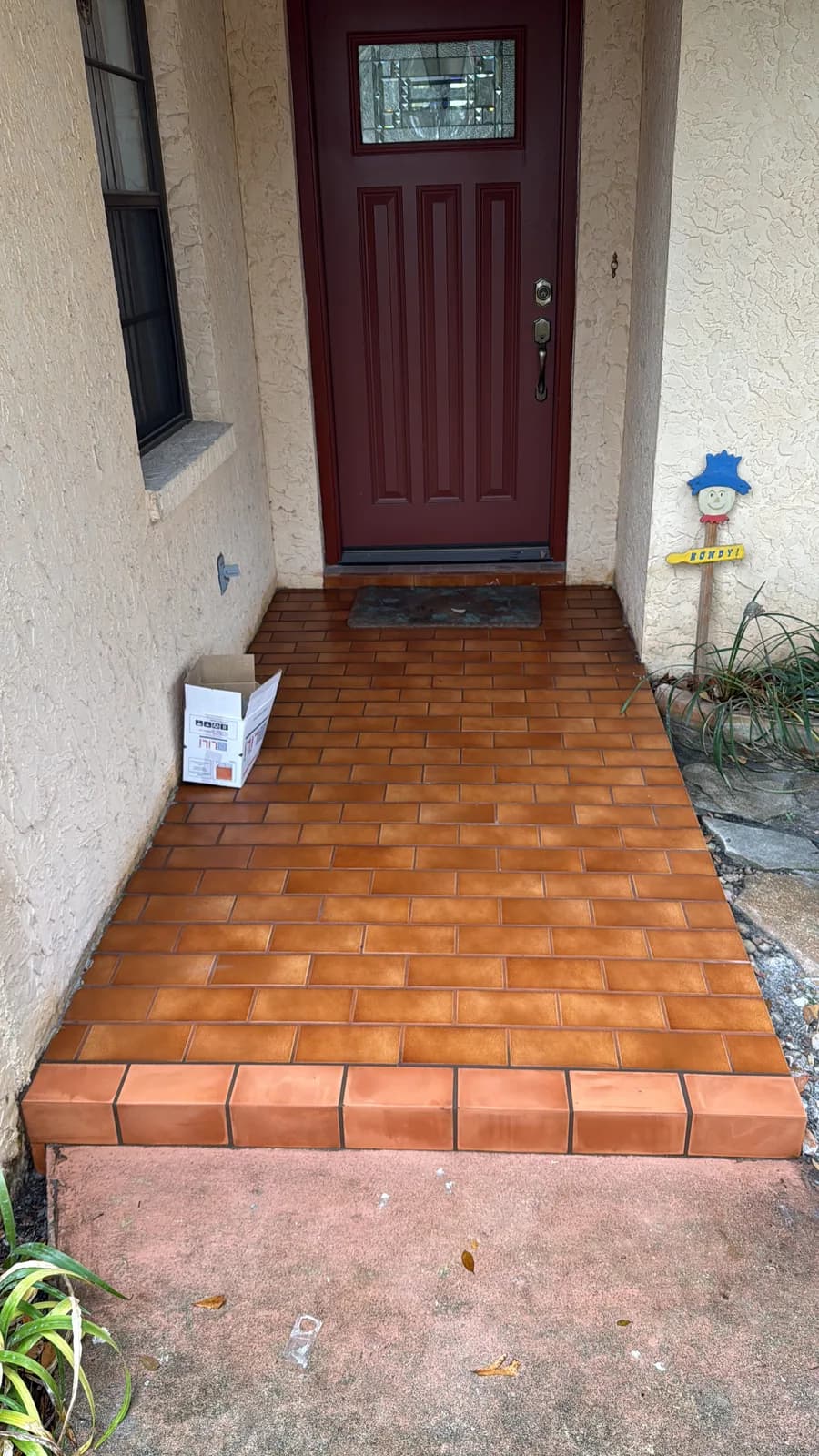
New floors are one of the biggest upgrades you can make to a home, and the person who installs them matters just as much as the material you pick. A great tile or vinyl floor can look flawless the day it goes in and still fail within a couple of years if the surface underneath was rushed. Learning how to choose a flooring contractor is really about learning how to spot the difference between someone who cuts corners and someone who does the boring, invisible prep work that makes a floor last.
This guide walks through what to check before you hire, the exact questions to ask during an estimate, and the red flags that should make you slow down. It also covers something specific to our part of Florida: humidity, moisture, and slab conditions in the Tampa Bay area put real stress on floors, so the way a contractor handles subfloor prep and waterproofing tells you a lot about whether the job will hold up.
Look at real, finished work
Photos on a website are a starting point, not proof. Ask to see a portfolio of completed jobs that matches what you want done, whether that is a full tile floor, luxury vinyl plank, a kitchen backsplash, or a bathroom. Pay attention to the details that are hard to fake: tight, even grout lines, plank seams that line up, transitions between rooms that sit flat, and baseboards that meet the floor cleanly with no gaps.
If a contractor does mostly one type of work, that is fine, but make sure their experience overlaps with your project. Backsplash tile, a shower floor, and a large open living area each demand different skills. Someone who can show you several finished examples of your specific project is safer than someone showing a little of everything with no depth in any of it.
Check references and reviews
Online reviews give you a quick read on how a contractor treats customers, but read past the star rating. Look for comments about how they handled problems, whether they showed up on time, and whether the finished floor still looked good months later. A few thoughtful, detailed reviews usually mean more than a large pile of one-line ratings.
Ask for a couple of recent references you can actually call or text. When you reach a past customer, ask simple, honest questions: Did the crew clean up? Did the final price match the estimate? Would you hire them again? Contractors who do solid work are usually happy to connect you with people they have already made happy.
Ask how they handle subfloor prep and moisture
This is the single most important thing to ask about, and it is the step homeowners rarely see. Before any tile or vinyl goes down, the surface underneath has to be clean, flat, dry, and sound. A good contractor will talk about checking the subfloor for level, filling low spots, and confirming the surface is stable. If the answer is vague or the plan is just to install over whatever is there, be cautious.
In Florida the moisture question is not optional. Concrete slabs can hold and release moisture, bathrooms and kitchens see constant water, and our humidity keeps everything damp longer than in drier climates. Ask how they check for moisture and what they do about it, whether that means a moisture barrier, waterproofing under tile in wet areas, or the right underlayment for vinyl. A contractor who has a clear answer here is protecting your floor from the exact conditions that cause failures around Tampa Bay.
Get everything in writing
Never rely on a number scribbled on a napkin or quoted over the phone. A proper written estimate should list the materials, the square footage, the prep work included, labor, and any add-ons like removing old flooring or hauling away debris. When the details are written down, both sides know exactly what was agreed to, and there is far less room for surprises when the invoice arrives.
Flooring costs vary widely depending on the material, the size of the space, and how much prep the subfloor needs, so it is hard to name a single fair price. As a rough guide, simpler vinyl jobs tend to sit at the lower end while large tile installations with heavy prep run higher. What matters more than the exact figure is that the estimate is itemized, clear, and matches what you discussed in person.
Confirm there is no hidden visit or estimate fee
Before anyone comes to your home, ask directly whether the estimate is free and whether there is any charge just to come out and measure. Some companies quietly build a visit fee into the process, and you should know that up front. A reputable contractor will usually give you a free, no-obligation estimate and explain their pricing without pressure.
Being clear about this early also sets the tone for the whole project. If a company is transparent about something as small as an estimate visit, that honesty tends to carry through to the bigger numbers later. If they dodge the question, take it as a signal.
Judge how they communicate
Notice how a contractor treats you before you have signed anything. Do they answer calls and messages within a reasonable time? Do they explain your options in plain language instead of talking down to you? Do they show up when they said they would for the estimate? How they communicate during the sales stage is the best preview of how they will communicate once your floor is torn up.
Language should never be a barrier either. In a diverse area like Tampa Bay, being able to talk through your project in English, Spanish, or Portuguese makes a real difference in getting the details right. A contractor who listens carefully and explains the plan clearly is far more likely to deliver the floor you actually pictured.
Ask about warranty, materials, and licensing basics
A good contractor stands behind their labor and will tell you what their workmanship warranty covers and for how long. Materials often carry a separate manufacturer warranty, so ask how the two work together. Knowing this before the job starts means you understand exactly what happens if something goes wrong down the line.
You should also gauge how well they know the products. Ask why they recommend a particular tile or vinyl for your space, and a knowledgeable installer will explain durability, water resistance, and maintenance in terms that make sense. As a general rule with any contractor, it is fair to ask whether they carry the licensing and insurance appropriate for the work in your area, and to confirm those details for yourself. This is standard due diligence you would do with anyone working in your home, not an accusation.
Watch for red flags
A price that is dramatically lower than everyone else is rarely a bargain. It usually means corners will be cut somewhere you cannot see, most often in the subfloor prep or the quality of materials, and that is exactly where floor failures start. High-pressure tactics are another warning sign. If someone pushes you to sign today or demands a large cash payment up front, slow down.
Other warning signs include no written estimate, no references, evasive answers about prep and moisture, and a schedule that keeps shifting before the job even begins. The best contractors are patient, transparent, and confident enough in their work to let you take your time comparing options. Trust the process of vetting them, and you will end up with a floor that looks great and lasts.
Frequently asked questions
- How many quotes should I get before choosing a flooring contractor?
- Getting two or three written estimates is a good practice. It helps you compare not just price but also what each contractor includes for prep, materials, and cleanup. If one quote is far cheaper than the others, ask what is being left out rather than assuming it is a deal.
- Why is subfloor prep so important for floors in Florida?
- Florida humidity and concrete slabs hold moisture that can damage flooring from below if it is not addressed. Proper prep and, in wet areas, waterproofing keep that moisture from reaching your tile or vinyl. Skipping this step is a common reason floors in the Tampa Bay area lift, crack, or grow mold over time.
- Should a flooring estimate be free?
- Many reputable flooring contractors offer a free, no-obligation estimate and do not charge a visit fee just to measure. Always confirm this before scheduling so there are no surprises. Transparency about a small cost like this is often a good sign of how honest a company is about the larger numbers.
- What questions should I ask during the estimate?
- Ask how they will prepare and level the subfloor, how they handle moisture, what the written estimate includes, what their workmanship warranty covers, and why they recommend a specific material. Clear, confident answers to these questions are one of the best indicators that a contractor will do the job right.
Related services
Serving
Found this helpful? Make us a preferred source on Google.
Ready for an exact price?
Get a free, no-pressure in-home estimate. Real numbers for your home, not a phone guess.